
Fish Shooting at MCWMCW: The Game My Cousin Wouldn’t Stop Talking About
My cousin showed me fish shooting for the first time on a lazy Sunday afternoon, phone propped against a teacup. A school of glowing fish drifted across the screen, he tapped once, a little cannon fired, and a fat golden fish exploded into coins with a satisfying chime.
He grinned like he’d just pulled off something clever, and honestly, he had. That afternoon turned into an hour, and that hour turned into me downloading the game myself before dinner was ready. That’s how most people discover fish shooting, and it’s exactly the experience waiting in the arcade section at MCWMCW.
Looking back, what got me wasn’t really the winning, though that didn’t hurt. It was watching my cousin’s face light up over something so simple. There’s an honesty to that kind of fun, and it’s exactly why fish shooting has quietly become one of the most beloved corners of the whole arcade lineup here.

What Makes Fish Shooting So Instantly Addictive
There’s a reason fish shooting games have exploded in popularity across Asia and beyond, and it comes down to how effortlessly they blend simplicity with genuine strategy.

Simple on the Surface, Layered Underneath
On the surface, it looks almost too easy: you aim your cannon, you fire, and fish swim across the screen waiting to be hit. But spend even ten minutes at the tables and you start noticing the layers underneath:
- Bigger, slower fish take more hits but pay out more generously
- Smaller, faster fish are easy kills but modest rewards
- Special fish, wrapped in extra light or trailing a different color, hint at bonus multipliers or hidden jackpots
That tension between fast, casual fun and a deeper layer of strategy is exactly what hooked my cousin. You’re never just mindlessly tapping a screen — you’re making quick decisions about which targets are worth your ammunition and when to save your cannon’s special power-up for a big fish.

Cannons, Upgrades, and the Thrill of the Big Kill
Every player starts with a basic cannon, but the fish shooting tables here let you upgrade your firepower as you go, unlocking stronger cannons that punch through tougher fish with fewer shots wasted.

Real Progression, Not Repetition
There’s a real sense of progression that a lot of arcade games lack. You’re not just playing the same round over and over with no growth. Your cannon gets better, your instincts get sharper, and fish that used to escape your shots start falling reliably.
Jackpot Fish
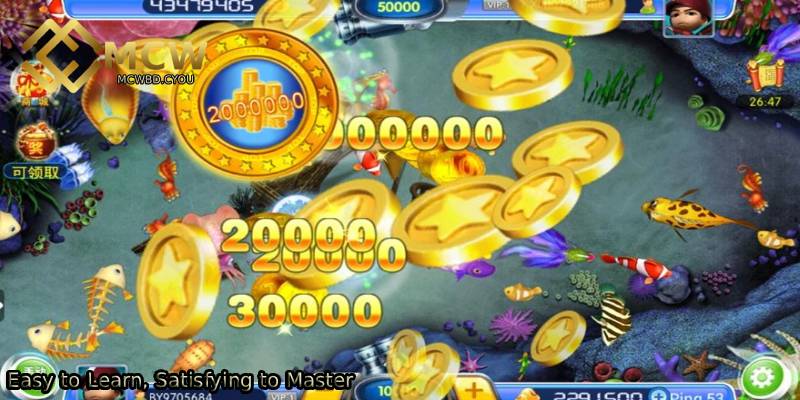
Then there are the jackpot fish, the true showstoppers of the genre — massive, slow-moving targets, often dragons or giant sea creatures dressed up in dazzling animation, carrying the biggest prizes on the table. Landing the final shot that brings one down feels genuinely thrilling, with a burst of coins and light filling the screen. My cousin still talks about the first time he landed one.

A Genuinely Social, Casual Experience
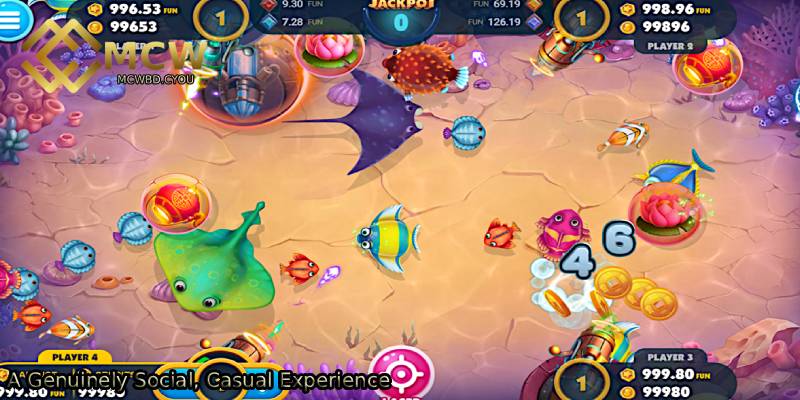
Here’s what surprised me most after playing fish shooting for a while: it doesn’t feel like a solitary grind the way a lot of casino-style games can.
- Multiplayer tables put you in a shared pond with other players
- Everyone fires at the same rotating cast of fish
- Landing the killing shot on a fish someone else was chipping away at just feels like part of the fun
- Everyone’s rooting for the next big one to show up
This social, low-pressure atmosphere is a big part of why fish shooting appeals to such a wide range of players, including people who might feel intimidated walking up to a traditional table game.
Easy to Learn, Satisfying to Master
I want to be honest about something: my cousin picked this up in about ninety seconds, and so did I. That’s the whole point. You aim, you fire, you watch fish burst into coins. That’s the entire barrier to entry.
But “easy to learn” doesn’t mean shallow. The deeper you play, the more you start noticing patterns — timing your shots around a fish’s movement, saving special weapons for the right moment, reading which tables seem to have hotter jackpot fish activity. It’s a game that rewards both a five-minute session and a much longer one.
A Few Things My Cousin Taught Me Along the Way
After that first Sunday afternoon, my cousin turned into something of a fish shooting mentor, and a lot of what he taught me applies just as well at MCWMCW’s tables today.

Tips From an Unofficial Mentor
- Don’t waste your best cannon upgrade on small fry darting around the edges of the screen
- Save the heavy firepower for slower, bigger targets drifting through the middle of the school
- Watch the table before jumping in, the same way you’d size up a room before pulling up a chair
- Some tables run hotter than others for a stretch, with jackpot fish showing up more frequently
- Play alongside a friend and split attention across different corners of the same school
None of this makes fish shooting complicated — it just adds a satisfying layer of craft on top of a simple, joyful game. There’s a friendly little competitiveness that creeps in too, both of you quietly keeping score of who landed the bigger fish that round.

Bonuses That Make Every Cannon Shot Count for More
Good arcade fun deserves a little extra reward around the edges, and these fish shooting tables are backed with promotions that make every session feel more generous.
- Bonus credit tied to your first deposit that stretches your ammunition further
- Periodic rewards for players who keep coming back to their favorite tables
- Recognition for loyalty to this corner of the arcade
That kind of warmth matters in a game built around shared, casual fun. Fish shooting was never meant to feel like a grind, and the promotions running alongside it keep that lighthearted spirit intact.

Why This Corner of the Arcade Keeps Pulling Players Back
Fish shooting occupies a unique spot in the wider gaming world, sitting somewhere between an arcade shooter, a social hangout, and a genuine game of chance. MCWMCW has built its fish shooting tables to lean into all three of those identities at once.
It’s colorful, it’s immediate, it’s easy enough for a total beginner to enjoy on their first try, and it’s got enough depth in cannon upgrades and jackpot fish to keep experienced players coming back night after night. If you’ve never tried it, do what I did and just watch someone else play for a couple of minutes first. For a broader look at how arcade shooting games evolved into the format we see today, the general history covered on Wikipedia’s arcade game entry is worth a browse.
But honestly, the best way to understand fish shooting is exactly the way I did: grab your cannon, find a school of fish, and start firing. My cousin still messages me sometimes when he lands a big jackpot fish, one exclamation point turning into three, and I always know exactly what he means without needing an explanation. That’s the kind of shared joy this game quietly builds, one cannon blast at a time, and it’s waiting for you the moment you decide to give it a try at MCWMCW.